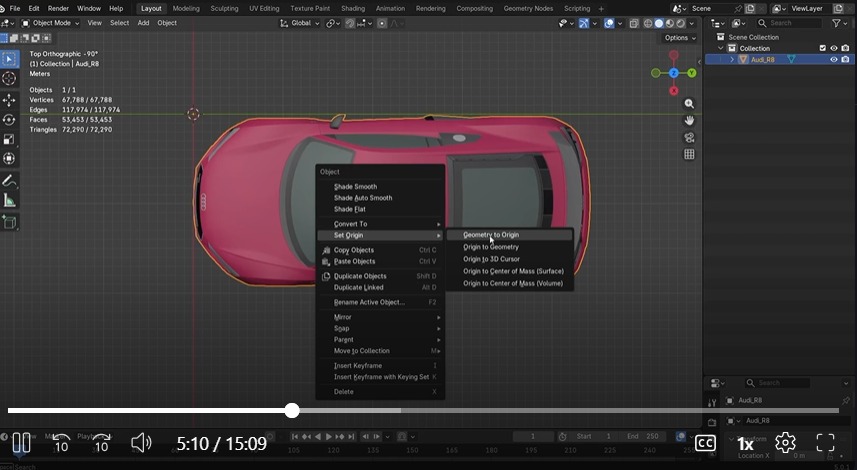
Video Tutorial
Reducing Polygon Complexity
A short Blender walkthrough showing students how to reduce polygon count and prepare models more efficiently for interactive and spatial workflows.
Teaching immersive design, Blender, and spatial workflows at UC DAAP.
In Summer 2026, I stepped into teaching for the first time as a Graduate Assistant supporting Professor Matthew Furber's undergraduate Communication Design course at the University of Cincinnati's College of Design, Architecture, Art, and Planning.
Students explored immersive and spatial design through research, concept development, prototyping, visualization, and final presentations.
My role was to help make unfamiliar tools and technical workflows more approachable while supporting students as they developed their ideas.
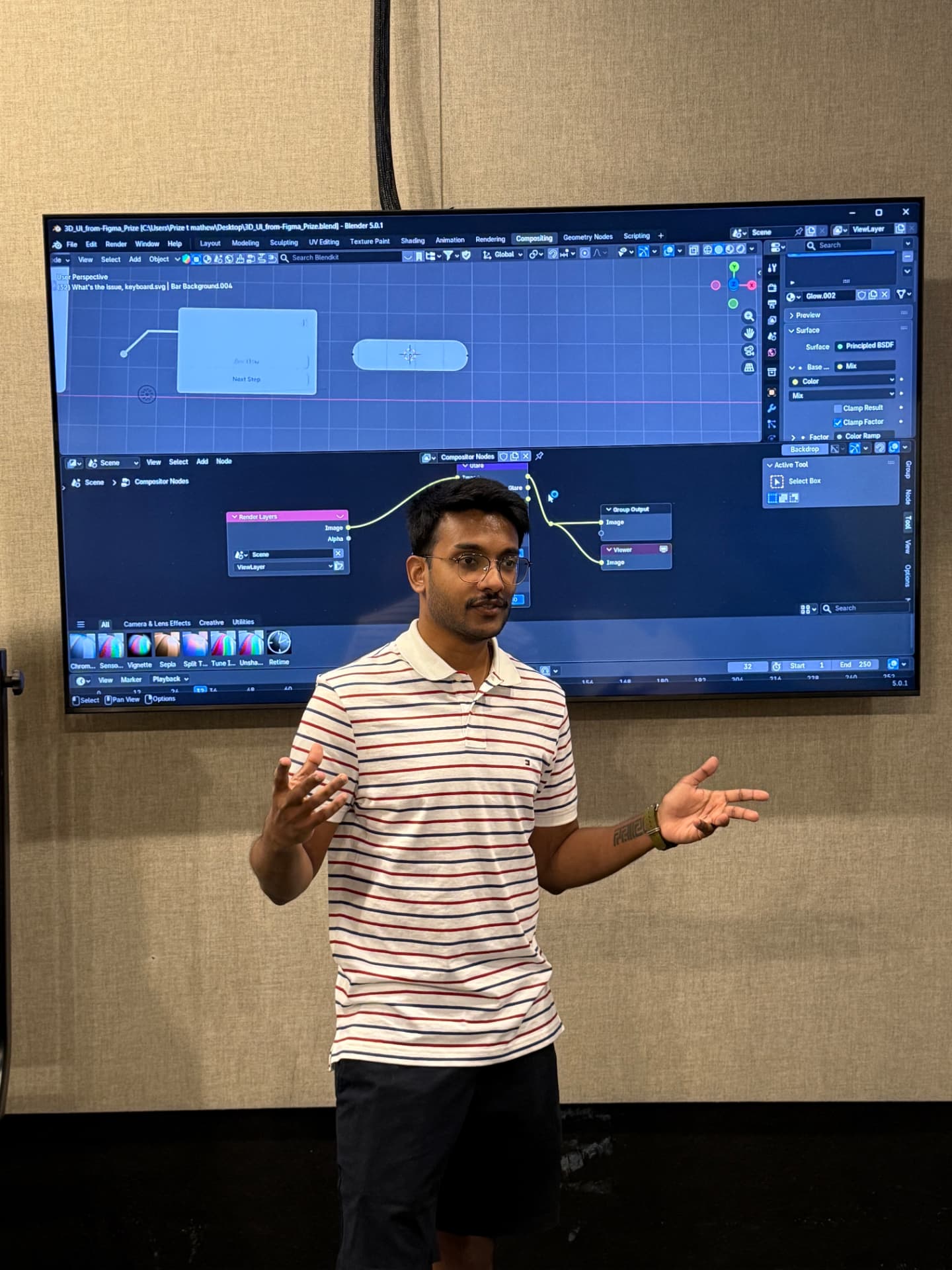
One of the most rewarding parts of the experience was introducing students to 3D workflows and helping them move from unfamiliar software to working prototypes.
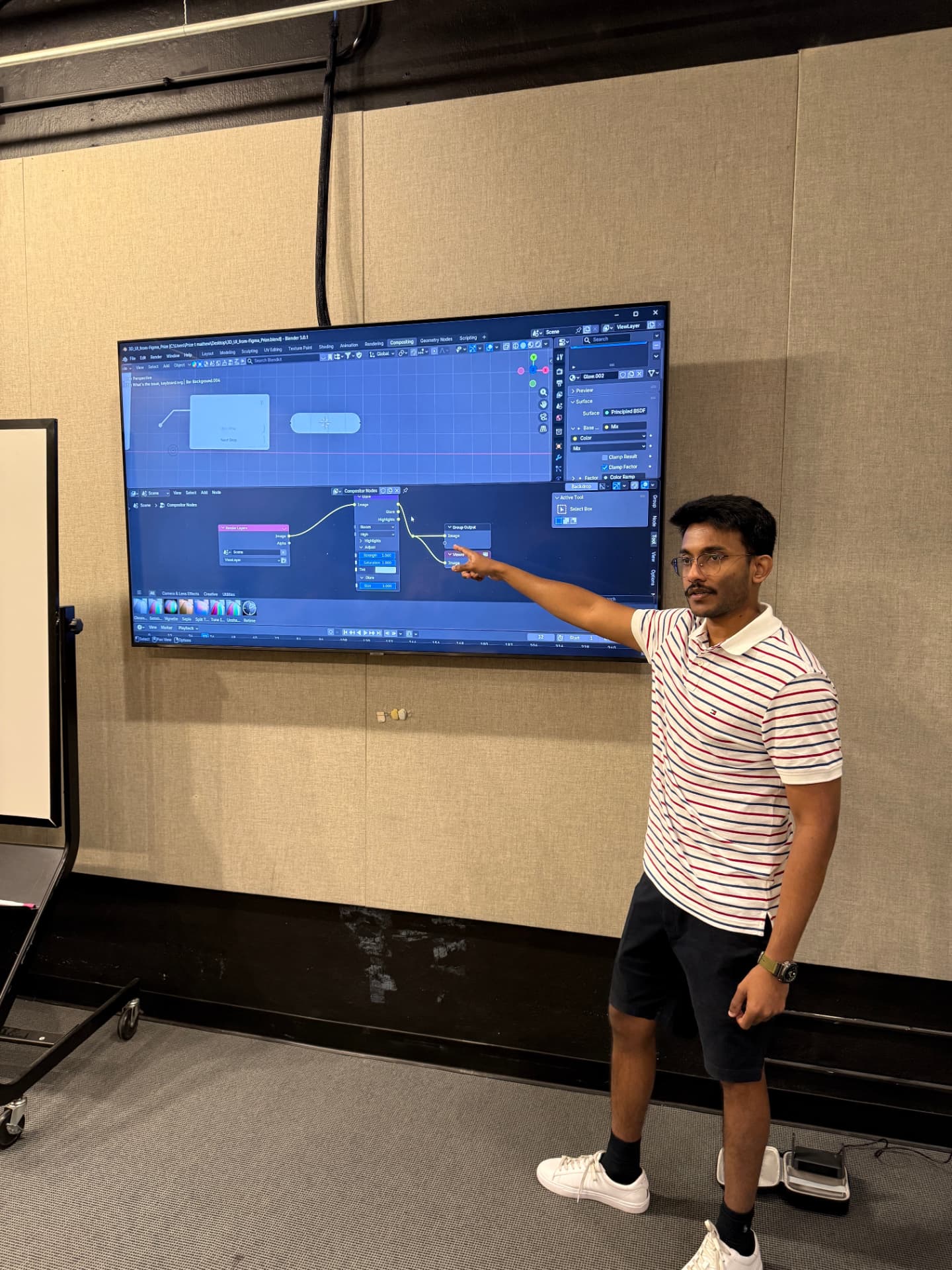
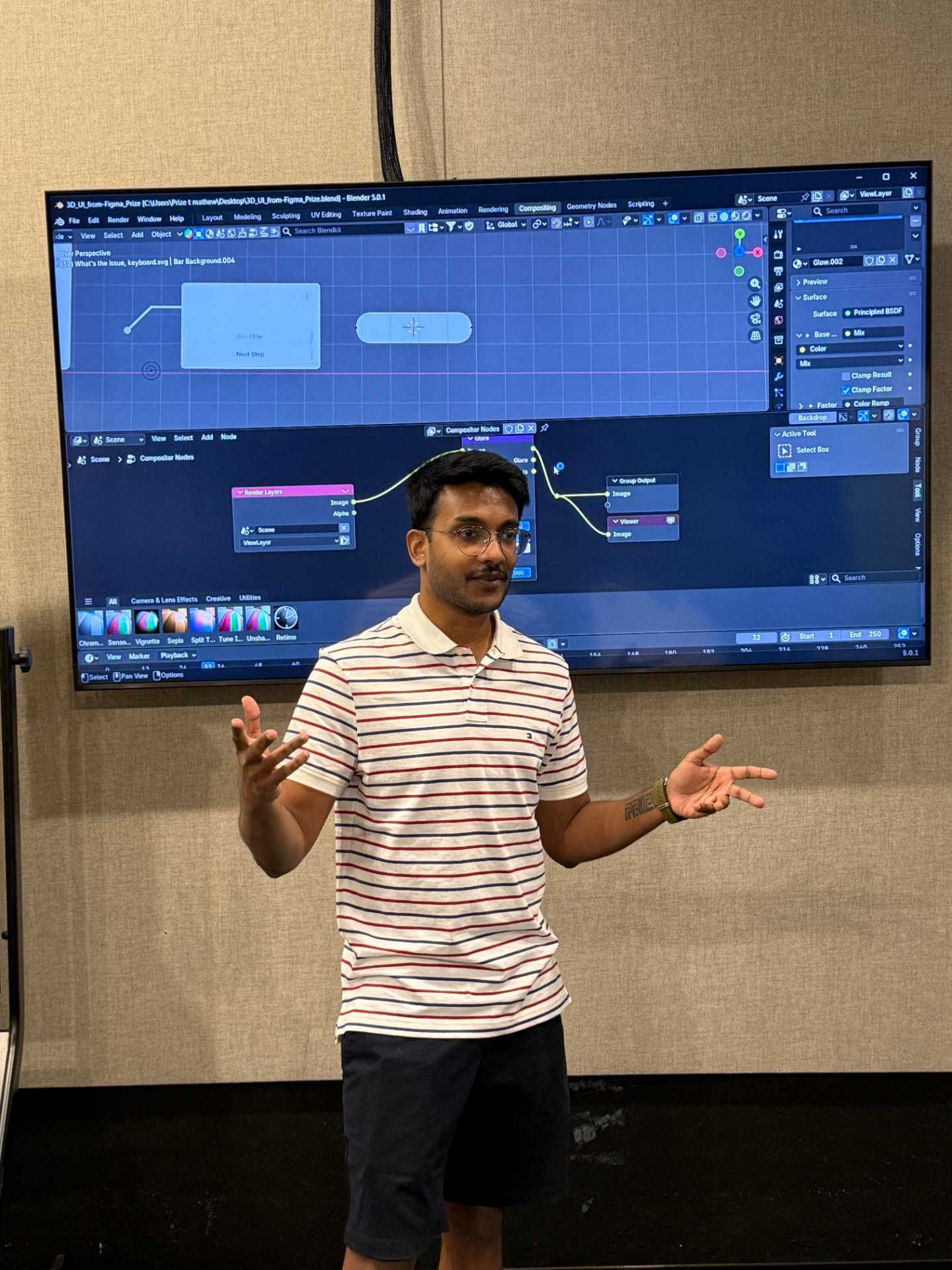
The goal was not simply to teach software, but to help students use technology as a tool for communicating ideas.
To help students revisit technical workflows outside class, I created step-by-step PDF guides and short video tutorials covering Blender fundamentals, optimization, materials, and applied 3D interface workflows.
A short Blender walkthrough showing students how to reduce polygon count and prepare models more efficiently for interactive and spatial workflows.
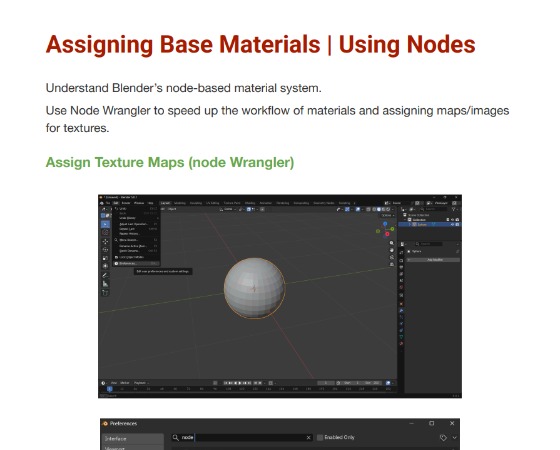
A structured lesson introducing Blender's node-based material system, texture maps, and Node Wrangler workflows.
The goal was not simply to answer technical questions in class, but to create resources students could return to and learn from independently.
My role extended beyond formal demonstrations. I worked with students during class, individually, through virtual support, in dedicated support sessions, and while preparing projects for final presentations.
I helped students troubleshoot technical issues, think through design decisions, and translate concepts into prototypes and visual experiences.
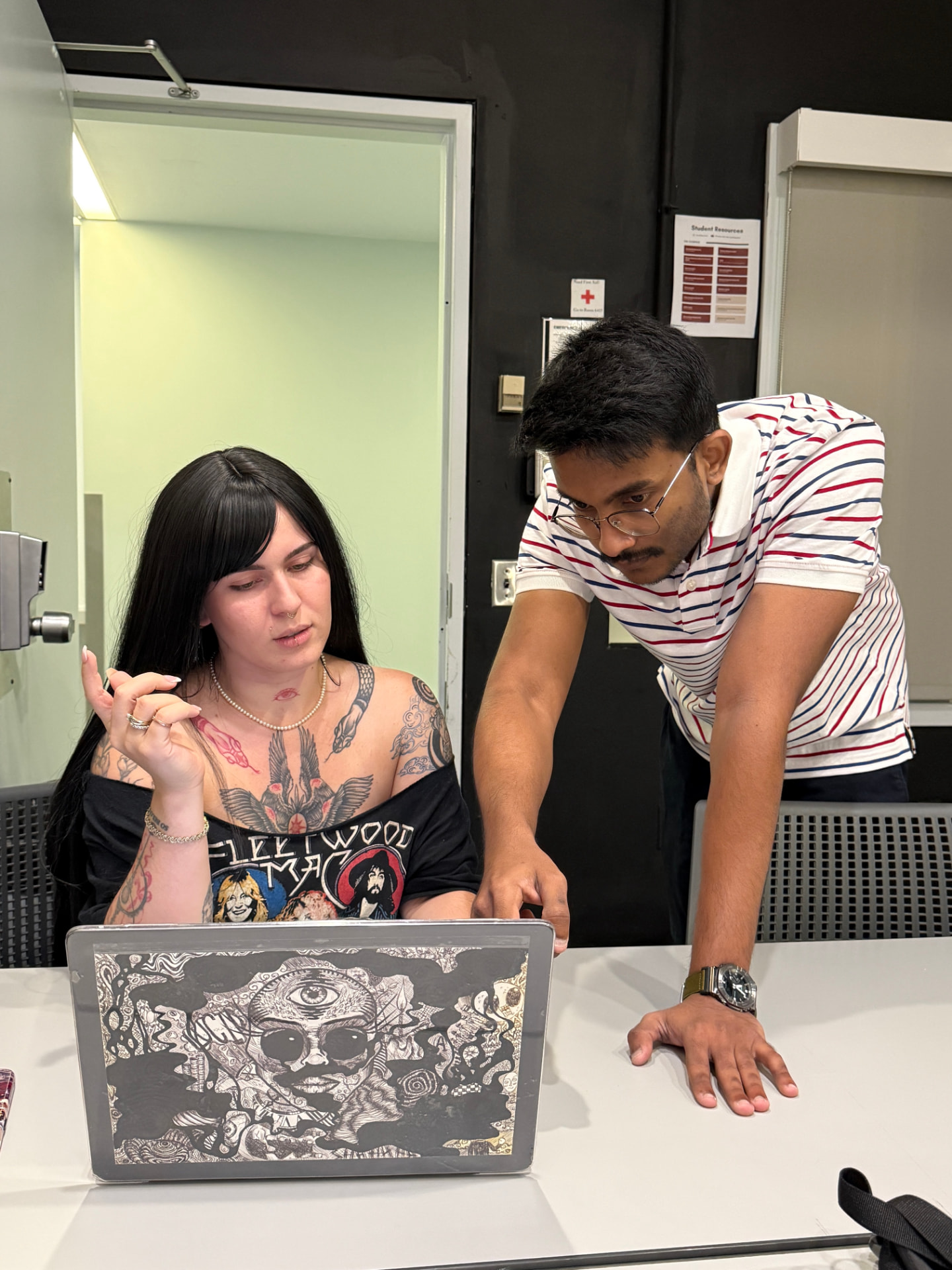
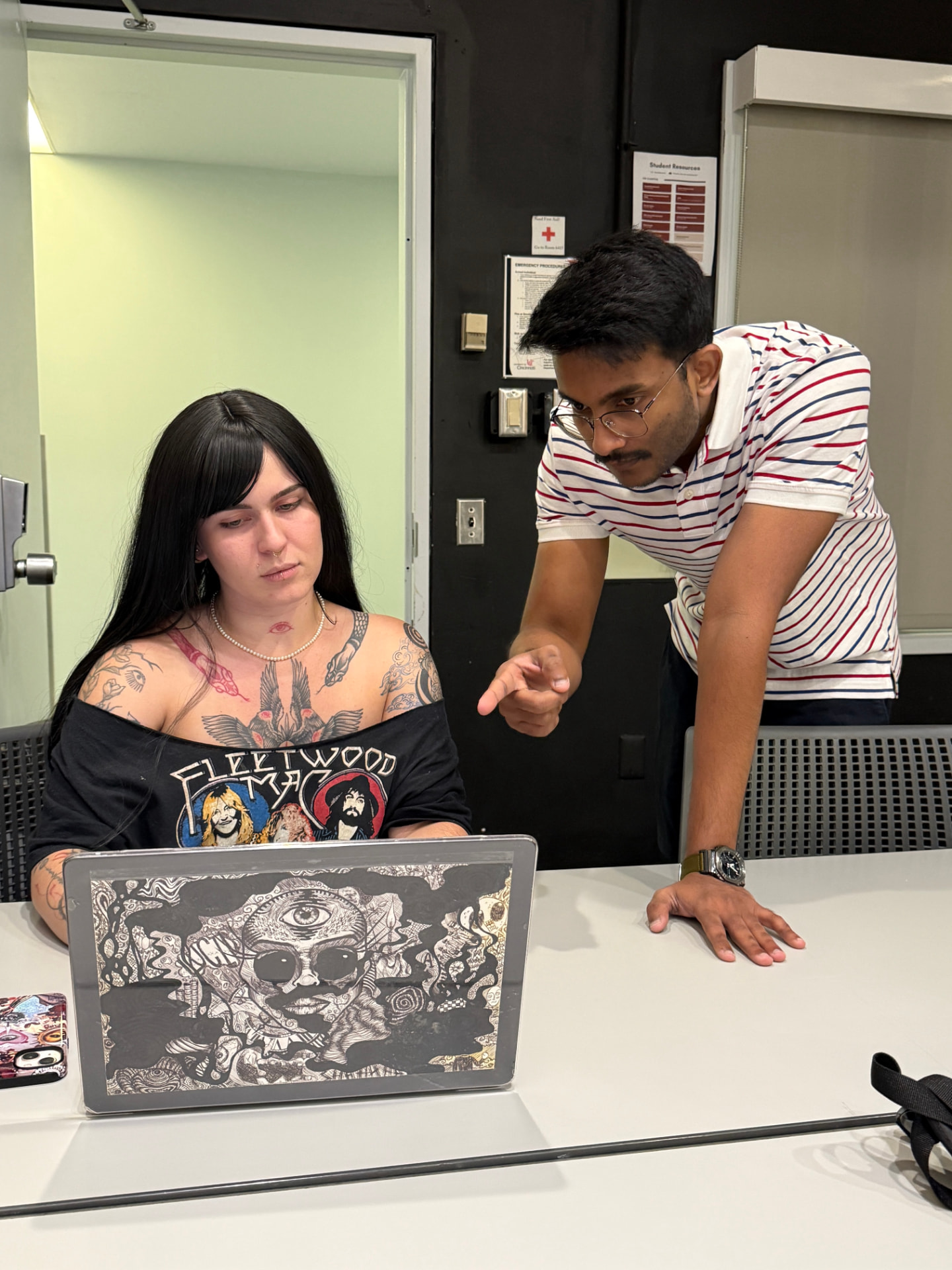
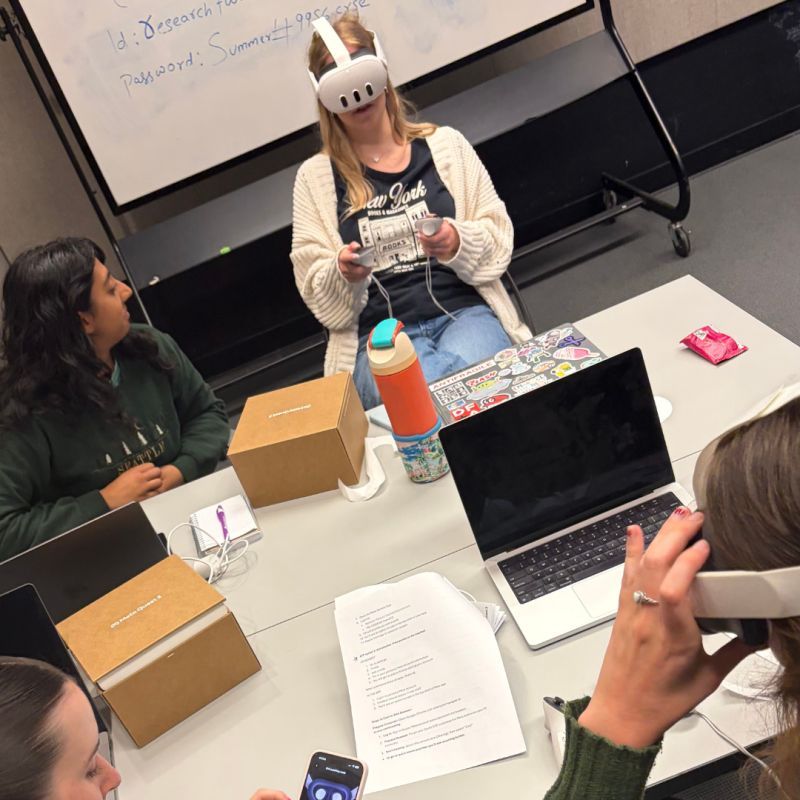
Teaching design software often meant responding to unexpected problems rather than following a fixed lesson plan.
Modeling · UVs · Materials · Export · Visualization · VR workflows · Software troubleshooting
My role was often to diagnose the issue, explain why it was happening, and help the student understand how to solve similar problems independently.
Teaching made me better at breaking complex workflows into simple, understandable steps.
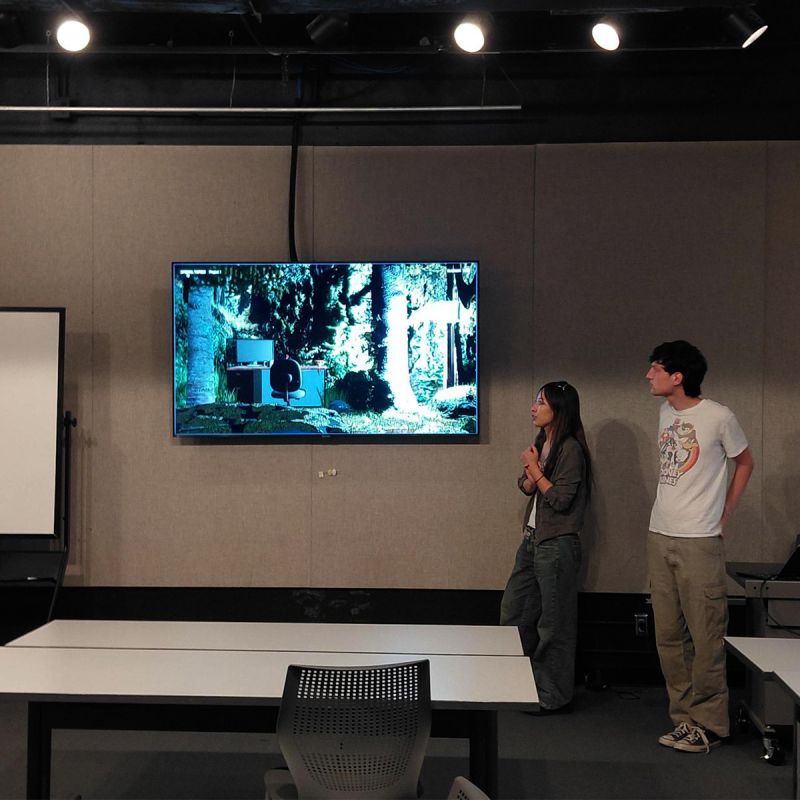
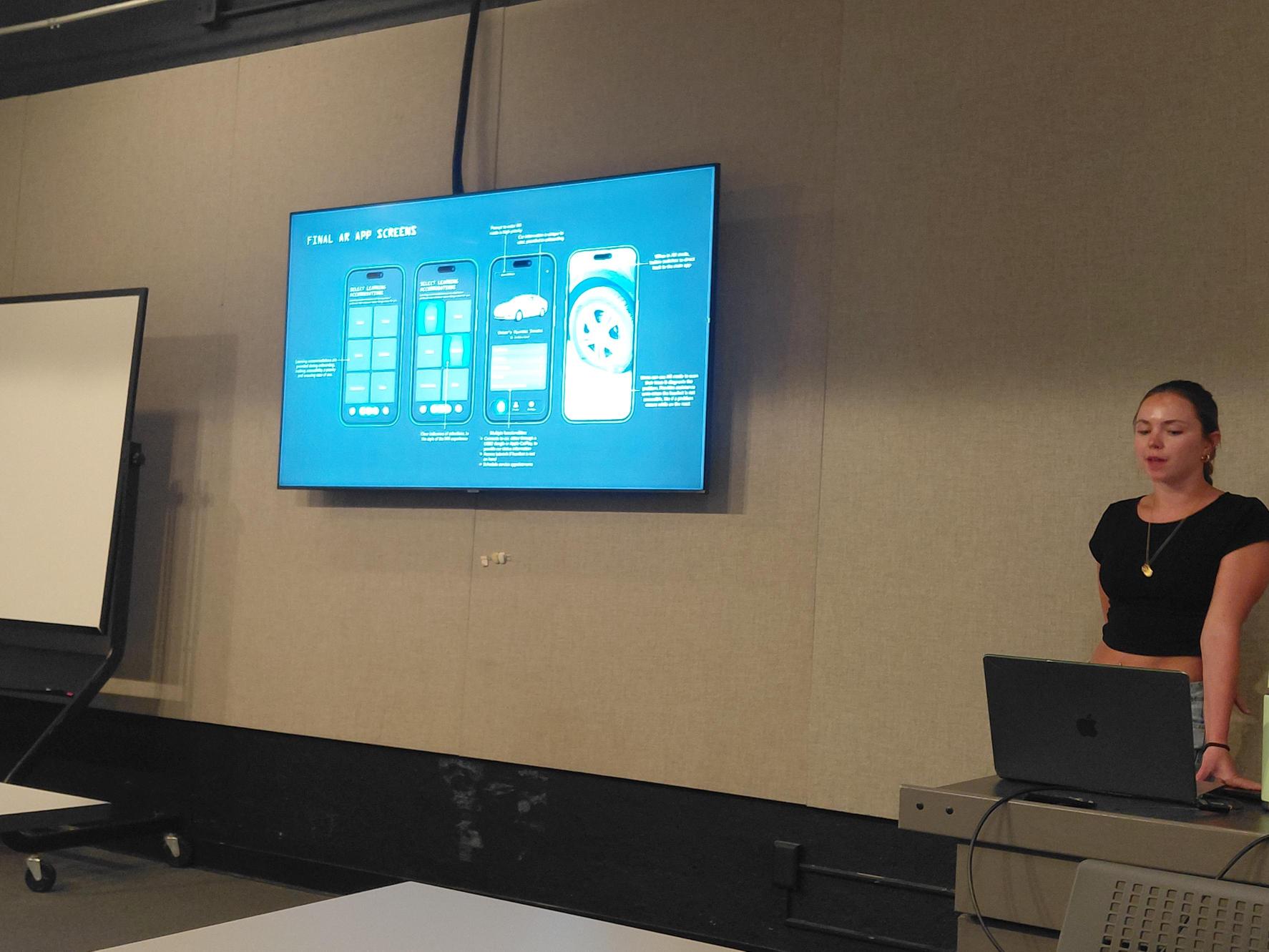
Projects shown are student projects I supported — not work I personally designed.
I entered the summer expecting to help students learn new tools.
I came away realizing how much I enjoy teaching, mentoring, and helping people translate ideas into experiences.
Explaining Blender and spatial workflows to beginners forced me to think differently about my own process — to understand not only how something works, but how to communicate it clearly enough for someone else to use independently.
Communication · Mentorship · Facilitation · Critique · Problem Solving · Collaboration
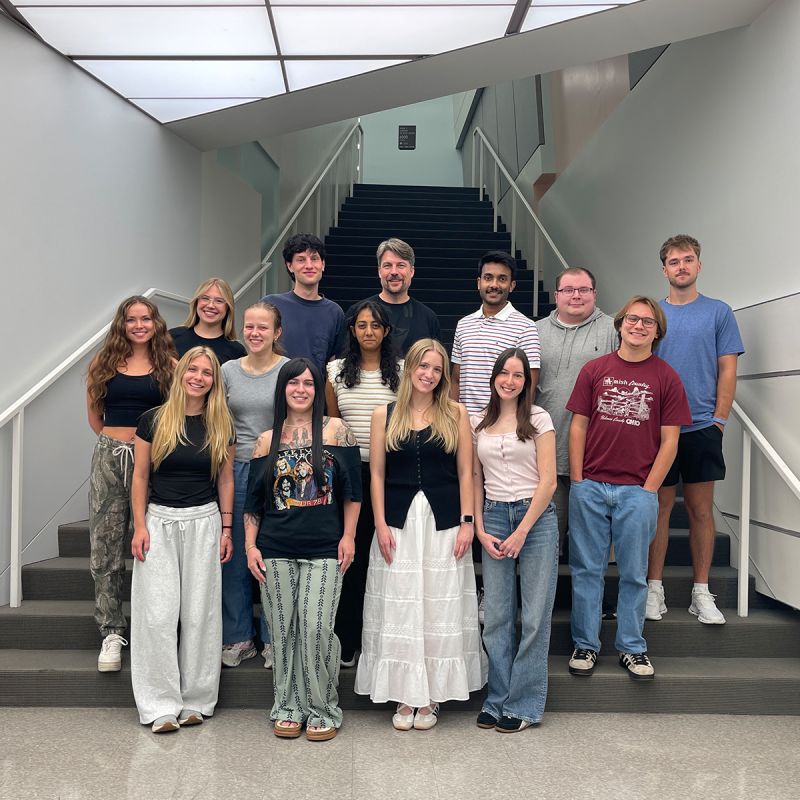
“Thank you Prize for all your hard work!”
“It was a great semester, thank you Prize!”