Blogs on the cabin, the driver, and the long road to autonomy.
Designing for users at the edges of an experience rather than the 'average' one. When we design for extremes, we reveal gaps that typical journeys hide — making the system more intuitive for everyone.
Smart materials and electroactive polymers point toward cabins that adapt their texture, firmness, and feel to a passenger's emotional state.
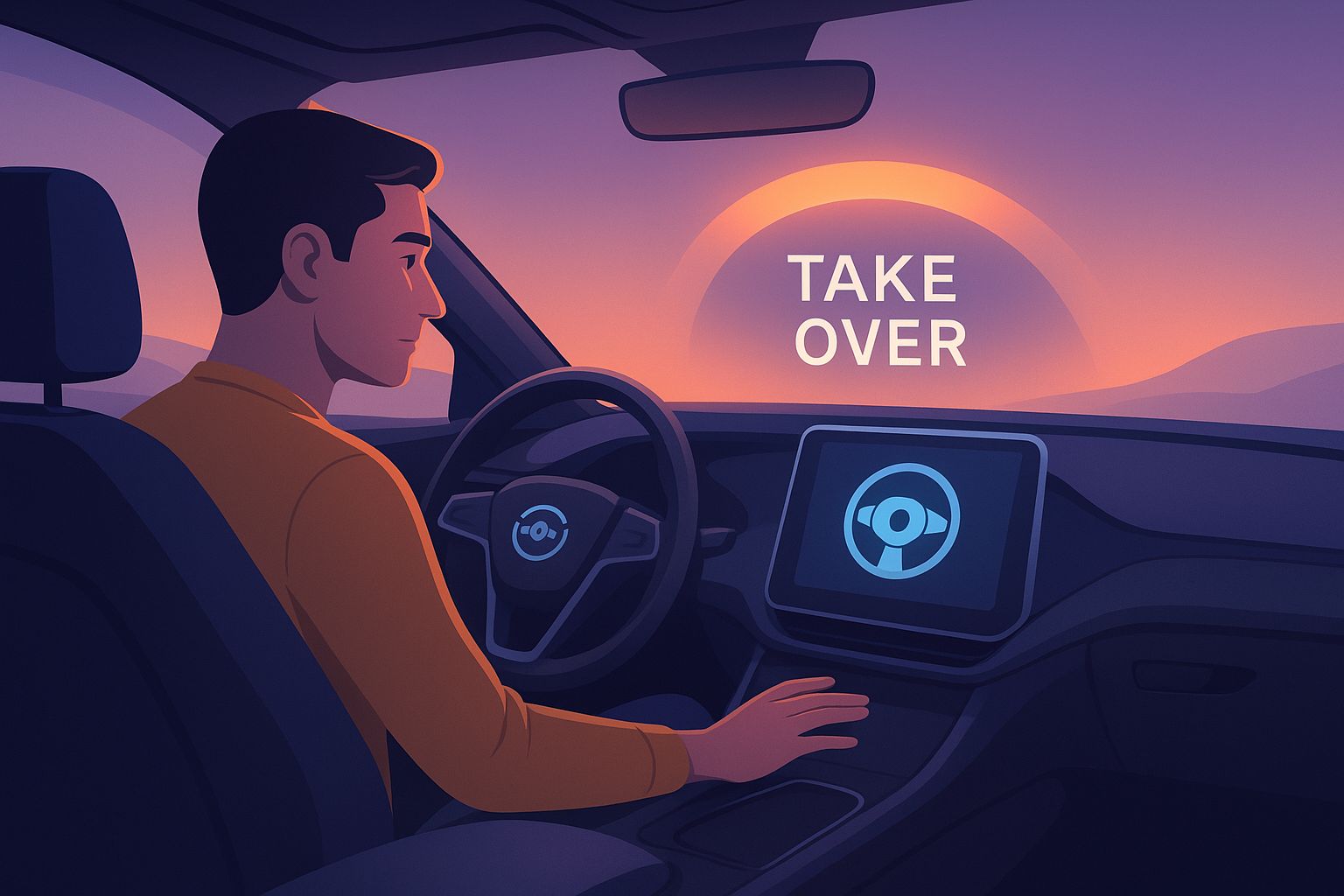
The grammar of takeover requests — tone, timing, and trust.
Sound, seat, surface, scent — the cabin as a continuous interface.
Exploring eye tracking as a lens for glanceability, visual hierarchy, and attention in dashboard design.
Why the future of autonomy isn't about removing people — it's about redesigning their relationship with intelligent systems.
Moving beyond flat UI flows to prototype mobility experiences inside 3D in-cabin environments.
What conversations with ride-share drivers reveal about learning curves and consistency in modern vehicles.
Why being mentally ready often matters more than reaction speed — and how shaping expectations builds trust.
How predictability, Social Value Orientation, and human adaptation shape the social dynamics of robotaxis.
Why the greatest risk in fully autonomous vehicles is not technical failure — it's the perception that the machine thinks.
Why safety perception, not just performance, decides adoption — and what elevator history teaches us about building it.