Automotive UX Is More Than Screens
Sound, seat, surface, scent — the cabin as a continuous interface.
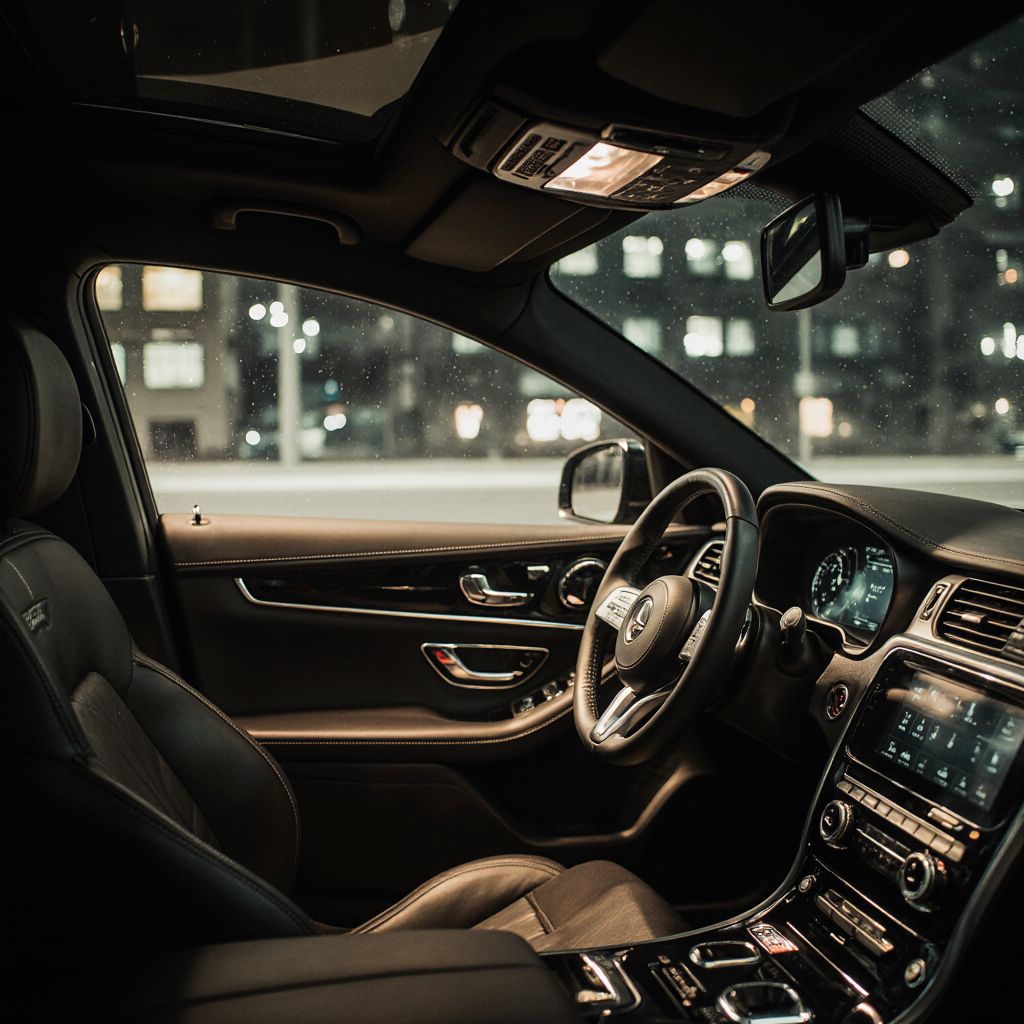
Recently, I had the opportunity to discuss the concept of UX in vehicles with a professional, and it struck me that many still view UX as solely related to digital screens. This narrow framing misses something essential: the car interior is a holistic environment where every surface, sound, and sensation contributes to the overall experience.
I emphasized that UX encompasses all the experiences passengers have inside a car. From the moment someone opens the door to when they step out, every interaction — seen or unseen — shapes their perception of the vehicle.
This includes elements such as ambient sound, tactile sensations, scents, and lighting.
The cabin as a continuous interface
Think about how ambient lighting in a luxury vehicle shifts from warm orange in the evening to cool blue in the morning. This is not merely aesthetic — it signals time, mood, and energy to the occupants. Similarly, the texture of the seat, the resistance of a physical button, and the acoustic dampening of road noise all participate in a silent conversation with the driver and passengers. These are not afterthoughts; they are intentional design decisions that shape comfort, trust, and emotional response.
Sound design deserves special attention. The acoustic signature of a vehicle — from the satisfying thud of a closing door to the engineered hum of an electric motor — communicates quality and intentionality. Some brands have even developed signature sounds for their turn signals and seatbelt reminders, turning functional alerts into brand moments.
Reimagining experience in autonomous vehicles
As we move into the era of autonomous vehicles, this holistic approach to UX will become increasingly essential and serve as a key differentiator among various vehicles. When drivers become passengers, the entire cabin transforms into a space for relaxation, productivity, or entertainment. The screen may still be there, but it becomes one channel among many — surrounded by adjustable lighting, personalized climate zones, and adaptive seating that responds to posture and mood.
The future of automotive UX is not about bigger screens. It is about designing environments that feel alive, responsive, and human.
Numerous studies indicate how the ambient environment can significantly influence a person's emotions and overall experience. It's easy to overlook these factors while focusing only on screens, but the most memorable vehicle experiences often come from the subtle details — the way light falls across the dashboard at sunset, or how the cabin stays quiet enough for a whispered conversation.