Designing the MINI Sensory Experience
Auditing the MINI showroom environment to identify sensory gaps and propose immersive in-store brand experiences.
MINI is more than a car brand
Its identity centers on individuality, energy, and playful expression.
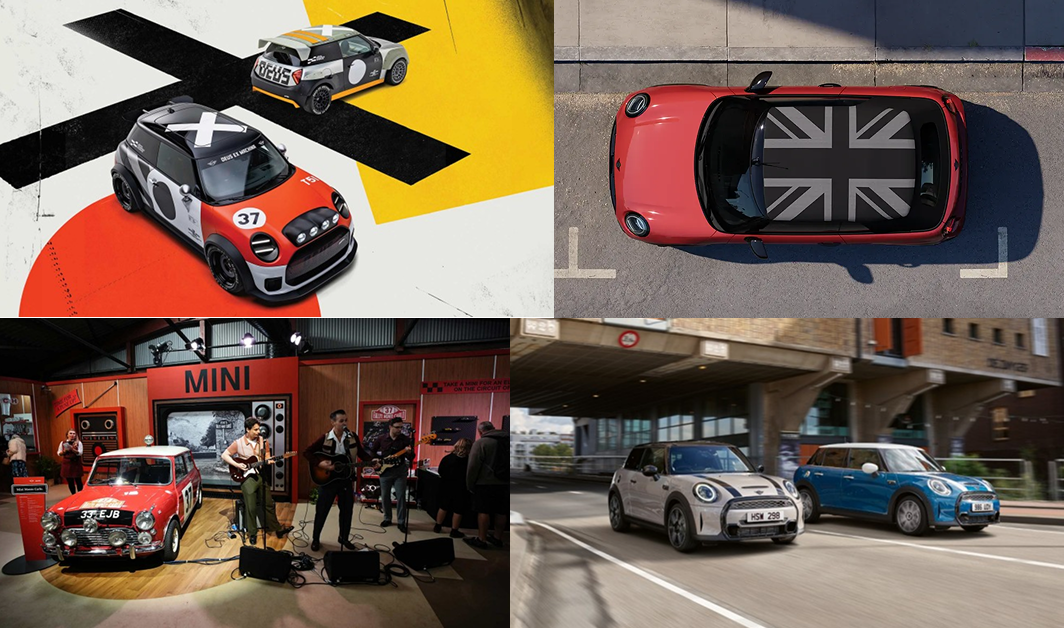
Brand Purpose
Deliver joyful driving experiences through expressive design and immersive digital technologies.
Characteristics
Fun, energy, and expressive design shape both the brand and driving experience.
Brand Identity
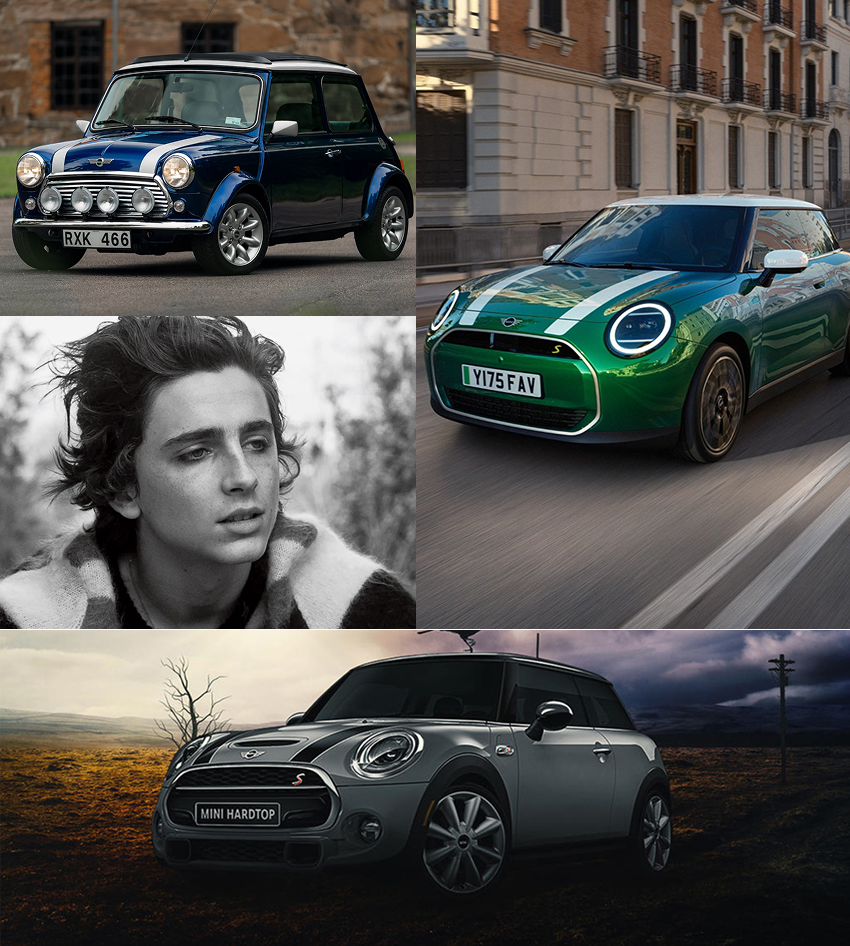
Self-expression seekers
MINI attracts urban, lifestyle-oriented drivers who see the car as an extension of their personality.
Playful, expressive, and energetic
"A car as expressive as the person driving it."
Retail Experience Observation
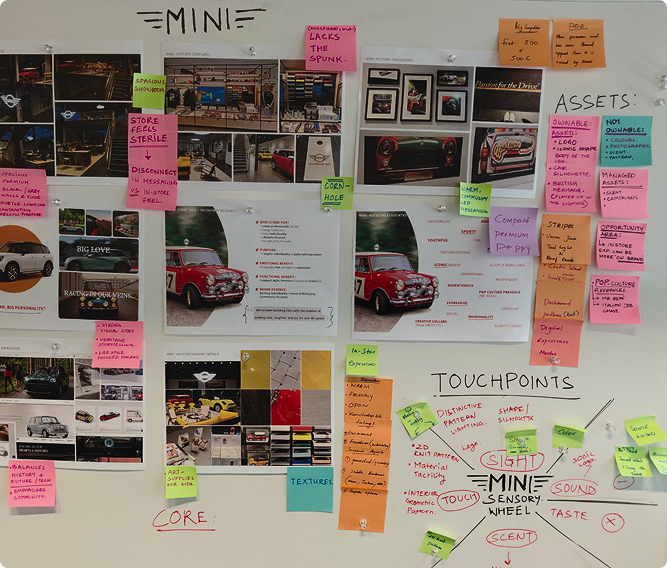
I audited a MINI showroom to see how the brand translates into physical space.
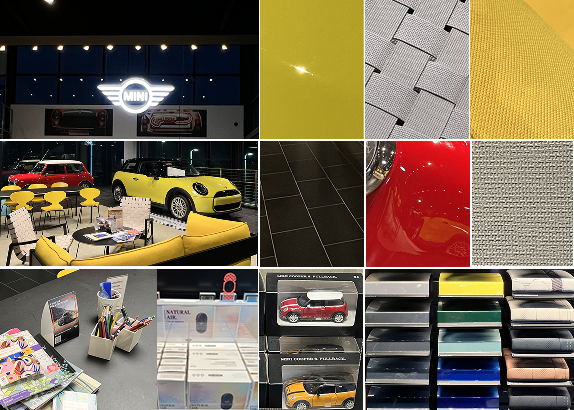

Ownable Assets
The logo, compact silhouette, British cues, bold colors, and playful graphics make MINI recognizable.

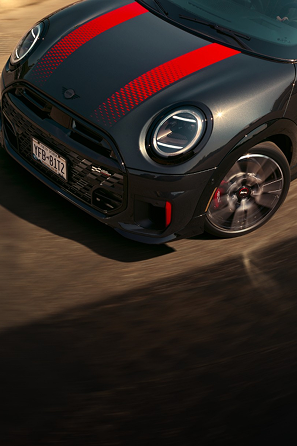
Managed Assets
Campaigns, posters, and lifestyle storytelling extend MINI's playful personality beyond the vehicle.
Sensory touchpoints in the showroom
The showroom included sensory touchpoints, but they did not form one cohesive expression of MINI's energetic personality.
Ambient Music
In-car sounds and showroom background audio
Tactile Textures
Seat textures, interior surfaces, weighted door handles
Ambient Lighting
Aesthetic lighting, reflecting surfaces, lit-up logos, brand colors
Visual Branding
Posters, accessories, merchandise, iconic imagery
Consistent gaps across locations
I reviewed MINI Austin, Houston, and Sacramento to check whether the gap was local. Their showroom patterns were largely consistent.
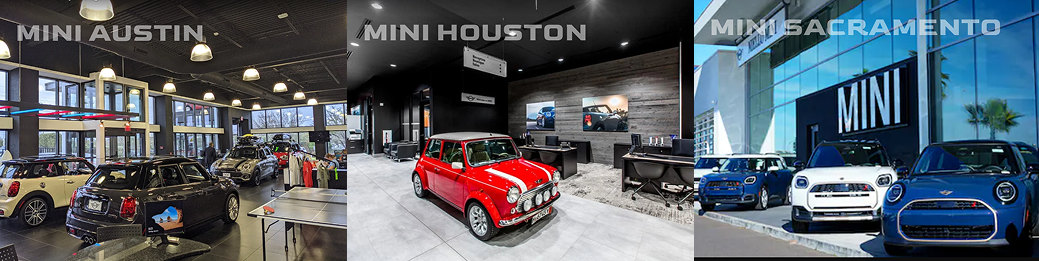
Spacious premium layout with vehicles as central focus
Consistent showroom format with visual branding elements
Vehicle display prioritized with lighting and accessories
Finding: MINI retail environments prioritize vehicle display and visual branding, but offer limited immersive experiences that reflect the brand's playful and energetic personality.
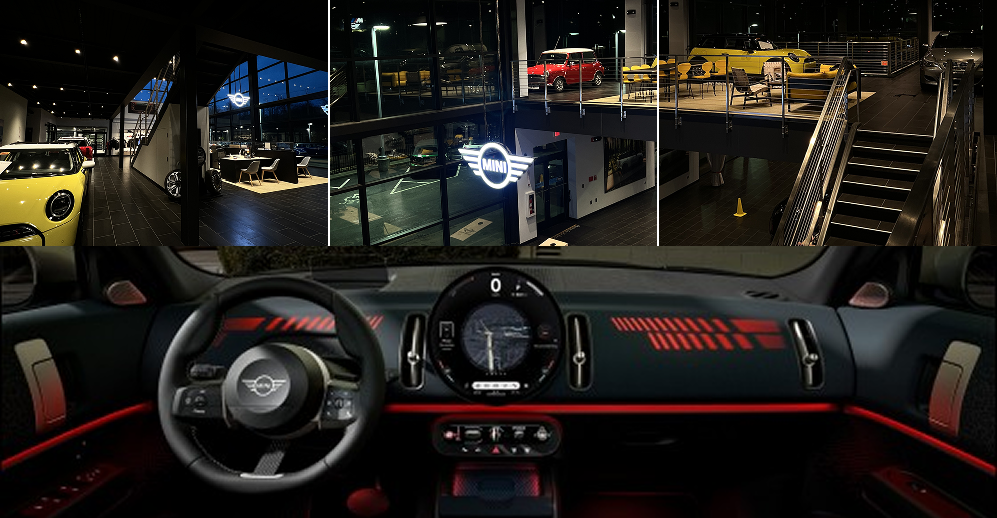
The experience gap
Lighting, materials, music, and visual branding create a premium setting, but mostly support passive vehicle display.
Inside the car, digital experience modes actively transform light, sound, and visuals—an expression missing from the showroom.
The playful and immersive MINI driving experience exists inside the car, but not in the retail space.
The brand immersive experience is missing
Extending MINI's Sensory Experience
MINI's expressive modes remain inside the car while the showroom prioritizes static display.
I saw an opportunity to translate those modes into physical spaces visitors could experience before entering a car.
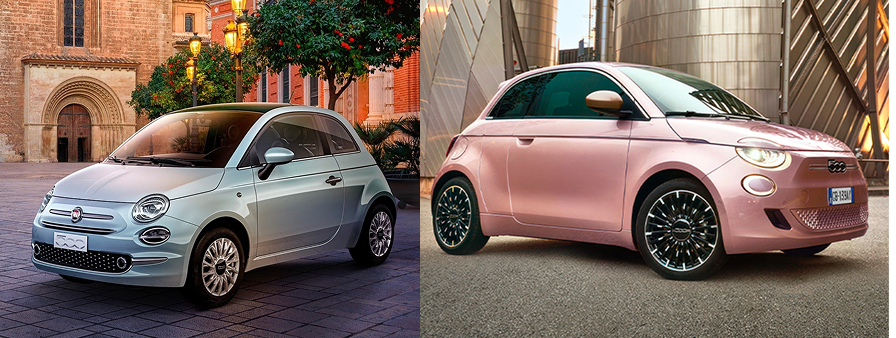
Fiat 500
Similar to MINI, the Fiat 500 positions itself as a lifestyle-oriented urban vehicle where brand personality plays a central role in customer appeal. The brand strongly emphasizes emotional storytelling, design expression, and playful character across its marketing and product identity.
Fiat often communicates this personality through visually expressive campaigns, lifestyle imagery, and experiential brand communication that highlight individuality and urban culture.
In the compact lifestyle car segment, brand experience and emotional engagement are key differentiators beyond the product itself.
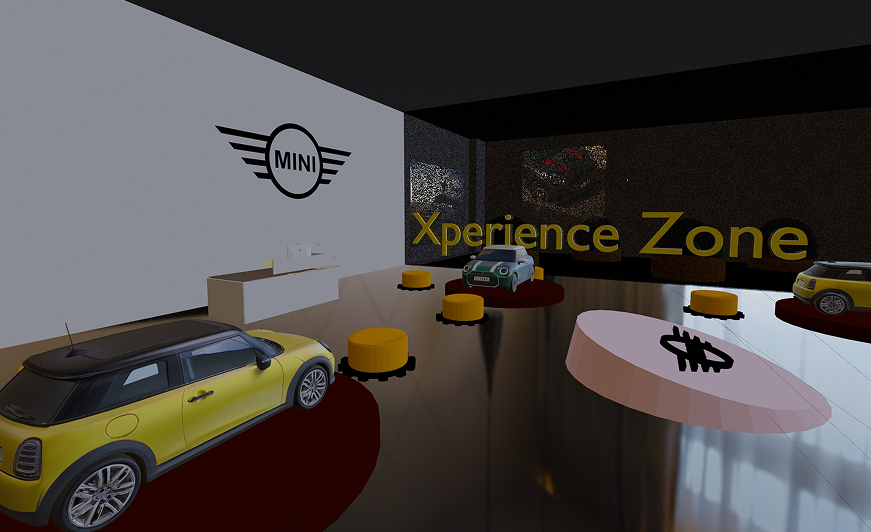
MINI Experience Mode Spaces
The concept translates MINI's digital driving modes into immersive showroom spaces.
Visitors enter dedicated spaces where light, sound, pattern, and texture recreate each driving mode.
This moves the showroom from static display toward an interactive brand experience.
By translating MINI's experience modes into spatial environments, the showroom becomes an immersive brand experience rather than just a vehicle display.
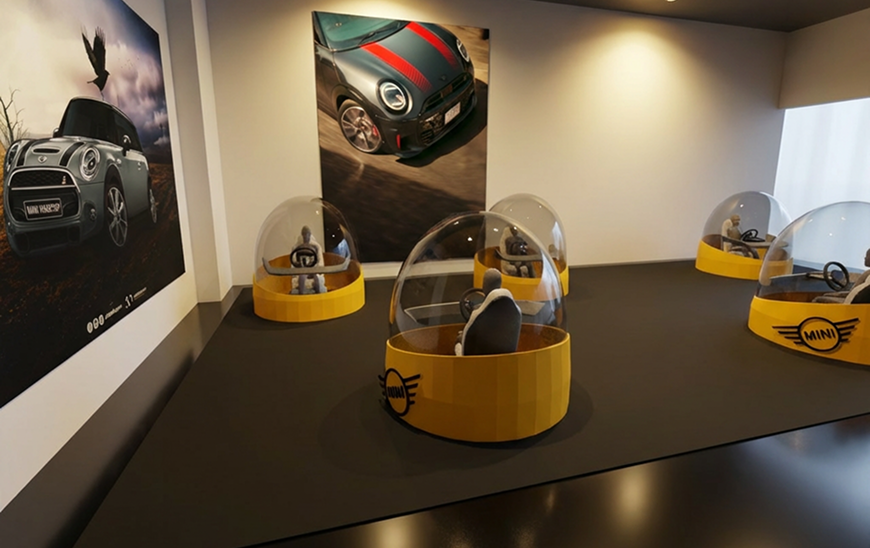
MINI Spatial Experiences
Each cubicle translates one driving mode into a physical atmosphere through light, sound, patterns, and material.
Experience Modes
Sensory Elements
Dynamic ambient lighting that reflects each mode's mood and energy
Spatial audio and sonic feedback inspired by MINI driving sounds
Projected graphics and visual identities associated with the modes
Materials that reinforce MINI's tactile brand identity
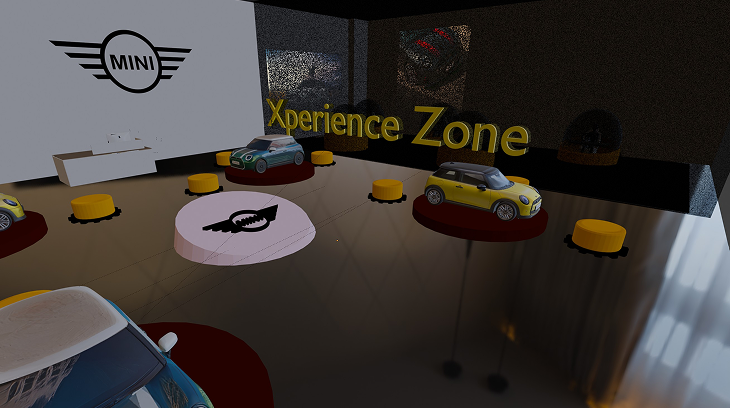
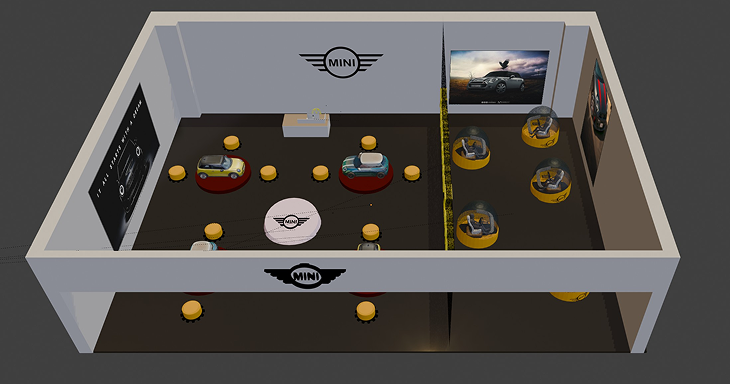
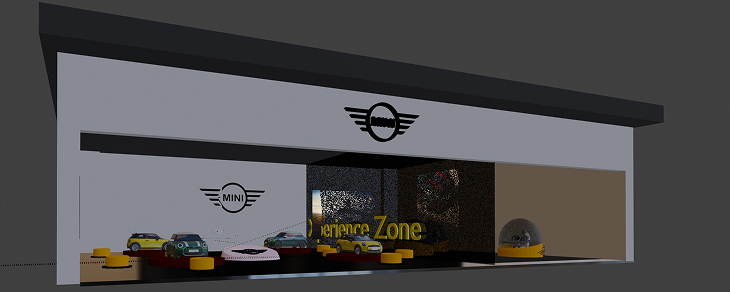
MINI Experience Zone
The experience zone transforms the showroom into an immersive brand destination. Visitors move through dedicated cubicles that bring MINI's digital personality into physical space.
Pushed beyond the expected
This project taught me to treat light, sound, and texture as parts of one spatial brand story.

Course Instructor
Susie Strydom
Former Design Director, Procter & Gamble
What I Learned
Brand experience connects strategy, storytelling, and space.
Cincinnati Metro Mobility
Redesigning the Cincinnati metro mobility experience — from wayfinding to onboard comfort.